Buy mtume.com ?
We are moving the project
mtume.com .
Are you interested in purchasing the domain
mtume.com ?
domain@kv-gmbh.de · 0541-91531010
Buy mtume.com ?
Are the horse's front legs being overburdened?
No, the horse's front legs are not being overburdened in the image. The horse appears to be standing comfortably with its weight evenly distributed on all four legs. The front legs are supporting the horse's weight as they should be, without any signs of strain or excessive pressure. Overall, the horse seems to be in a relaxed and balanced stance. **
Why does my rabbit thump its front legs?
Rabbits thump their front legs as a way of communicating fear, danger, or discomfort. It is a natural behavior that rabbits use to alert others in their group of potential threats. Thumping can also be a sign of stress or frustration in rabbits, so it's important to observe your rabbit's body language and environment to determine the cause of the behavior. Providing a safe and comfortable environment for your rabbit can help reduce thumping behavior. **


Similar search terms for Front legs
Top-Angebote
Products related to Front legs:
-
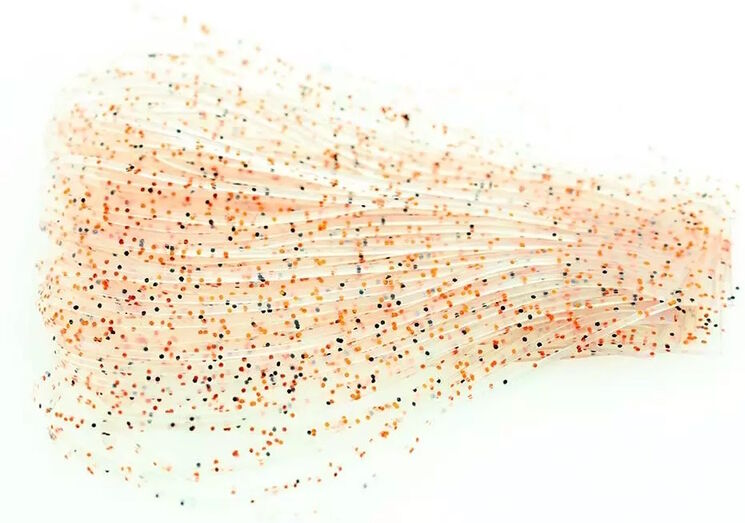
Flyco Sili Legs-Sand Orange/black FlakesFlyCo Sili Legs Disse gummiben fra FlyCo er utroligt levende i vandet, og kan bruges på mange forskellige fluemøstre, så som skumbiller, put&take; fluer, kystfluer, reje fluer, og havørred/laksefluer til åfiskeri.39,00 DKK*Shipping: 49,00 DKKSecure redirect to the provider



-
What kind of spider has thicker front legs?
Spiders that have thicker front legs are typically hunting spiders, such as wolf spiders or fishing spiders. These spiders rely on their front legs to capture and hold onto their prey, so they have evolved to have thicker and stronger front legs compared to other spider species. The increased thickness of their front legs allows them to effectively subdue their prey and defend themselves from potential threats. **
-
Aren't the front legs of the dog straight?
Yes, the front legs of a dog are typically straight when viewed from the front. This straightness allows for efficient movement and support when the dog is walking, running, or standing. However, some breeds may have a slight angulation in their front legs, such as the German Shepherd, which is considered a breed characteristic. Overall, a straight front leg structure is generally considered ideal for a dog's overall health and mobility. **
-
Why do flies rub their front legs together?
Flies rub their front legs together to clean and groom themselves. They have specialized hairs and structures on their legs that help them remove dirt, dust, and other particles from their bodies. This grooming behavior is essential for maintaining their sensory organs and ensuring they can fly and navigate effectively. Additionally, rubbing their legs together may also help flies spread chemical signals or pheromones to communicate with other flies. **
-
What does the horse have on its front legs?
The horse has horseshoes on its front legs. Horseshoes are metal shoes that are nailed to the hooves of horses to protect their feet and provide traction. They are typically worn on the front legs to help the horse maintain balance and stability while walking, running, or performing other activities. **

Can the Eskadron Allround boots for the hind legs also be used on the front legs?
No, the Eskadron Allround boots for the hind legs are specifically designed to provide protection and support for the hind legs of the horse. Using them on the front legs may not provide the same level of protection and could potentially cause discomfort or restrict movement. It is important to use the correct type of boots for each set of legs to ensure the horse's safety and well-being. **
Are the fetlock boots for the front or back legs?
Fetlock boots are typically designed to be worn on the horse's hind legs. They provide protection to the fetlock joint, which is located on the back of the horse's leg just above the hoof. These boots are commonly used during activities that involve jumping or high-intensity movements to prevent injuries or impact. **
Top-Angebote
Products related to Front legs:
-
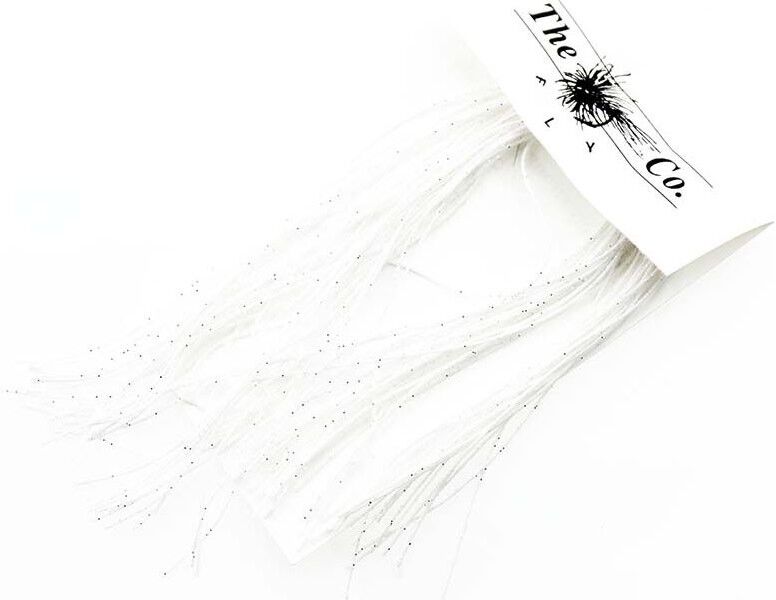
Flyco Sili Legs BarredFlyCo Sili Legs Barred Disse gummiben fra FlyCo er geniale til mange forskellige klassiske og moderne fluemønstre, alt fra havørredfluer til både å og kyst/fjord til put&take; fluer der skal piftes op med noget mere spræl og liv. Vi har valgt disse i neutrale farver, og hvis du ønsker disse gummiben med noget mere pang-farve, så skal du kigge på vores hjemmeside efter dem der hedder FlyCo Sili Legs Fire Tip. Der er til utroligt mange fluer i en pakke.49,00 DKK*Shipping: 49,00 DKKSecure redirect to the provider
-
Flyco Sili Legs Fire TipDisse gummi ben, er klassiske gummiben til fluen Fyggi. Sili legs kan bruges til mange forskellige fluemønstre og mange klassiske fluemønstre kan "peppes" op med gummiben. Kommer i mange fede hidsige farver, som kan give det sidste pift til din flue.49,00 DKK*Shipping: 49,00 DKKSecure redirect to the provider
-
Flyco Sili Legs-Sand Orange/black FlakesFlyCo Sili Legs Disse gummiben fra FlyCo er utroligt levende i vandet, og kan bruges på mange forskellige fluemøstre, så som skumbiller, put&take; fluer, kystfluer, reje fluer, og havørred/laksefluer til åfiskeri.39,00 DKK*Shipping: 49,00 DKKSecure redirect to the provider
-
Are the horse's front legs being overburdened?
No, the horse's front legs are not being overburdened in the image. The horse appears to be standing comfortably with its weight evenly distributed on all four legs. The front legs are supporting the horse's weight as they should be, without any signs of strain or excessive pressure. Overall, the horse seems to be in a relaxed and balanced stance. **
-
Why does my rabbit thump its front legs?
Rabbits thump their front legs as a way of communicating fear, danger, or discomfort. It is a natural behavior that rabbits use to alert others in their group of potential threats. Thumping can also be a sign of stress or frustration in rabbits, so it's important to observe your rabbit's body language and environment to determine the cause of the behavior. Providing a safe and comfortable environment for your rabbit can help reduce thumping behavior. **
-
What kind of spider has thicker front legs?
Spiders that have thicker front legs are typically hunting spiders, such as wolf spiders or fishing spiders. These spiders rely on their front legs to capture and hold onto their prey, so they have evolved to have thicker and stronger front legs compared to other spider species. The increased thickness of their front legs allows them to effectively subdue their prey and defend themselves from potential threats. **
-
Aren't the front legs of the dog straight?
Yes, the front legs of a dog are typically straight when viewed from the front. This straightness allows for efficient movement and support when the dog is walking, running, or standing. However, some breeds may have a slight angulation in their front legs, such as the German Shepherd, which is considered a breed characteristic. Overall, a straight front leg structure is generally considered ideal for a dog's overall health and mobility. **
Similar search terms for Front legs
-
Why do flies rub their front legs together?
Flies rub their front legs together to clean and groom themselves. They have specialized hairs and structures on their legs that help them remove dirt, dust, and other particles from their bodies. This grooming behavior is essential for maintaining their sensory organs and ensuring they can fly and navigate effectively. Additionally, rubbing their legs together may also help flies spread chemical signals or pheromones to communicate with other flies. **
-
What does the horse have on its front legs?
The horse has horseshoes on its front legs. Horseshoes are metal shoes that are nailed to the hooves of horses to protect their feet and provide traction. They are typically worn on the front legs to help the horse maintain balance and stability while walking, running, or performing other activities. **
-
Can the Eskadron Allround boots for the hind legs also be used on the front legs?
No, the Eskadron Allround boots for the hind legs are specifically designed to provide protection and support for the hind legs of the horse. Using them on the front legs may not provide the same level of protection and could potentially cause discomfort or restrict movement. It is important to use the correct type of boots for each set of legs to ensure the horse's safety and well-being. **
-
Are the fetlock boots for the front or back legs?
Fetlock boots are typically designed to be worn on the horse's hind legs. They provide protection to the fetlock joint, which is located on the back of the horse's leg just above the hoof. These boots are commonly used during activities that involve jumping or high-intensity movements to prevent injuries or impact. **
* All prices are inclusive of VAT and, if applicable, plus shipping costs. The offer information is based on the details provided by the respective shop and is updated through automated processes. Real-time updates do not occur, so deviations can occur in individual cases. ** Note: Parts of this content were created by AI.